
How Biofeedback Can Help Treat ADHD

What is Biofeedback? Biofeedback is a treatment that helps patients learn to control bodily processes such as muscle tension, blood pressure, or heart rate. It has been used to treat problems like high blood pressure, muscle tension and anxiety. The way a Biofeedback session works


What is Dialectical behavioral therapy (DBT) And How Can it Help Treat ADHD?

The term “dialectical” means the use of acting through opposing forces. The primary dialectic within DBT is between the seemingly opposite strategies of acceptance and change.

Diagnosis of Adult-Onset ADHD

Diagnosis of Adult-Onset ADHD ADHD used to be understood as an illness exclusively experienced in childhood. However, Adult-Onset ADHD is raising questions about the brain disorder. New data suggests that some people experience ADHD in adulthood without having been diagnosed with ADHD in childhood.

ADHD Linked With Higher Rates Of Anxiety

ADHD Linked With Higher Rates Of Anxiety – Children with attention-deficit/hyperactivity disorder (ADHD) face an increased risk for anxiety, according to new research. Anxiety disorder is common among children with ADHD. Recognizing and treating anxiety can lead to improved quality of life for patients

Differences In Brain Structure For Children With A.D.H.D

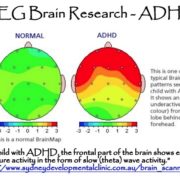
Significant differences are present in the brains of those with and without A.D.H.D as early as preschool according to a new study published in the Journal of the International Neuropsychological Society. Changes include a smaller brain, and reductions in the size of several specific regions, including the frontal lobes. The magnitude of those reductions predicted how bad their ADHD is.

Brain Trauma Linked To Secondary ADHD

According to a new study published in the Journal of the American Medical Association, children who experience a severe head injury may struggle with secondary ADHD as they grow older. What is Secondary ADHD? Secondary ADHD relates to symptoms that fall out of the three core ADHD symptoms of hyperactivity, impulsivity and attention-deficit disorder. The following are Secondary symptoms of ADHD:

The Kazdin Technique

According to the Kazdin technique, punishment alone does not change bad behavior and teach a new more appropriate behavior. Even gentle punishments, like time-out, or reasoning, does not work by itself.

Prenatal Care Links with ADHD

According to a new study, understanding your lipid profile during pregnancy, can be important in lowering the risk of ADHD.
Lipid profiles are a panel of blood tests that serve as an initial medical tool for detecting abnormalities in the blood, such as in Cholesterol.

Tips for Parents Supporting Children with ADHD

The school environment can be challenging even for a child with optimal psychological health. The responsibilities such as school assignments, homework, interaction with other children, and co-curricular activities all can contribute to considerable stress in a child. The level of stress in children who suffer from ADHD can be even greater because of the unique challenges they confront due to their symptoms.
The following pointers can help prepare a child with ADHD for school:

Plan Ahead to Help Your Child with ADHD: Tips for Mastery of the Classroom Experience

Children with ADHD benefit from knowing what to expect before they arrive to the classroom. This will not only prevent any potential issues (e.g., behavioral, academic) during the first days or weeks of school, but it will also provide the child with a much-needed boost of self-confidence, as they won’t be as overwhelmed with their new classroom environment, new teacher(s), classroom rules, peers, and the numerous other distractions and challenges they will face.