
What to Expect During a Neuropsychological Evaluation

What to Expect During a Neuropsychological Evaluation If your doctor has recommended a neuropsychological evaluation, the term alone might sound intimidating. And not knowing what to expect may create further anxiety.

The good news is that the process is fairly straightforward. So, here’s an insider look at what you can expect.

What is a Neuropsychological Evaluation?

A neuropsychological evaluation is a structured way of understanding how your brain is functioning. It examines a range of areas, including memory, attention, language, problem-solving, and processing speed.

These evaluations are used to help diagnose and understand many conditions, including ADHD, dementia, and the effects of a brain injury. Ultimately, the goal is to get a clear, complete picture of your cognitive strengths and challenges.

Here’s generally what it involves in more detail:

The Clinical Interview

The evaluation usually begins with a conversation. Your provider will ask about your history, your current concerns, and any symptoms you’ve noticed. This background helps shape the rest of your assessment and ensures the testing is tailored to you.

Testing

Testing may involve puzzles, memory exercises, questions, and both paper-and-pencil and computer-based activities. Each task is designed to measure how different parts of your thinking work.

How Long Does It Take?

A full evaluation often takes several hours, sometimes spread across more than one visit.

Beforehand, we recommend:

  • Getting a good night’s sleep
  • Eating a balanced meal
  • Bringing your glasses or hearing aids if you use them
  • Having a list of any medications handy

Once testing is complete, you’ll receive your results with practical recommendations appropriate for you and your circumstances. Curious to learn more? At Pathways Neuropsychology Associates, we’re here to help. Contact us today for more information.

Tackling Brain Fog From Long COVID

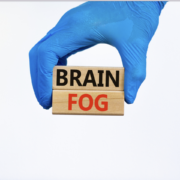
Suffering from COVID infection is an unpleasant experience in itself. But what can make this experience worse is the possible “brain fog” after one’s initial recovery.

Many patients report that after recovering from COVID, they start to experience certain symptoms that medical experts refer to as “Long COVID” or Post-COVID Syndrome—and these symptoms may include cognitive problems that we commonly known as brain fog. So, let’s dig a bit deeper into this topic!

Can Too Much Screen Time Be Bad For You?

The emergence of electronic devices has people spending significantly more time in front of a screen than ever before. We watch TV to relax. We play on our phones to wind down. Many of us even start and end our days in front of a screen.

Yet, this increasing screen time doesn’t come without some repercussions. In fact, some long-term negative impacts of unregulated screen time include eyestrain, sleeping problems, and even anxiety and depression. Moreover, another possible negative effect of excessive screen time is the increased risk of poor focus.

Your Guide to Mental Health Professionals

Seeking out a mental health professional can quickly become a daunting task. With a quick search, you’ll find a lengthy list of options available. Mental health providers fall under three main categories: psychiatrists, psychologists, and licensed therapists, and within each of those categories are subcategories. While all of these options fall under the same umbrella of mental health services, they differ in important ways to address specific needs. We’ve broken down each type of mental health professional so you can pick the option best suited for you with confidence.

Finding Your Passion

There is a widely conceived notion that the secret to happiness and success is finding our one true calling in life: our passion. This romanticized view of passion tells the tale of a person finding the perfect job, activity, or cause that immediately clicks for them and becomes their driving purpose and key to perpetual bliss. Why does it feel so hard then to find our passion?

Ways To Help Increase Productivity And Decrease Anxiety During COVID-19

Are you finding it difficult to remain motivated and accomplish tasks that have been on your to-do list for months? Are other people’s posts about their accomplishments on social media making you feel sad and defeated? Our minds are always working, it does not stop in times of uncertainty. During these difficult times, our brains are more likely to process “what-if” scenarios. These types of scenarios make it difficult to relax or remain calm. Our brain is processing two key thoughts:

Yoga and Mental Health

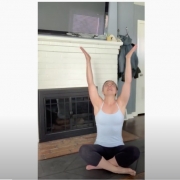
Children can benefit a great deal from yoga practices. Children are growing up with influences that may be stressful to them. Pressures from school, family conflicts, competitive sports and social issues can all lead to increased stress. Yoga can help balance these stressors. When a child learns yoga, it encourages self-esteem and body awareness in a noncompetitive way. It helps the child to foster cooperation and compassion for themselves and others. Physically, yoga helps by enhancing their strength and flexibility, as well as coordination. Emotionally, their concentration and sense of calm, and relaxation improves.

This video is video is geared towards children but anyone can benefit from it!

Physical activity and Mental Health

Physical activity is beneficial for our overall health including our mental health. A link between physical activity and depression risk in adults has been identified…

Staying Connected During COVID-19

Working from home may be stressful, parents who have young children trying to navigate online learning may be overwhelmed, and an overall sense of not having control and knowing when this will end can really take a toll on a person.
 
We live in a time of technology, which has helped us to stay connected and now more than ever technology is a beneficial tool in helping us stay connected.
 
Here are some ideas to help maintain a feeling of connectedness:

Exercising To Ease Pain: Taking Brisk Walks Can Help

For people who live with chronic pain, getting up, out and moving can seem daunting. Some fear that physical activity will make their pain worse. But in fact, researchers find the opposite is true: The right kind of exercise can help reduce pain.