5 Cognitive Distortions That Drive Anxiety and Depression
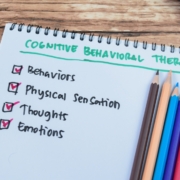
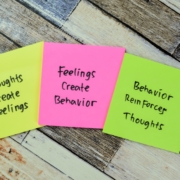
Have you ever noticed your mind telling you something that, deep down, you know isn’t quite true? Maybe one small mistake convinces you the whole day is ruined, or a single unanswered text leaves you certain a friend is upset with you. These mental shortcuts are known as cognitive distortions; in fact, these are often exactly what Cognitive Behavioral Therapy (CBT) is aiming to address.
Put simply, cognitive distortions are habitual, automatic thinking patterns that twist how we see ourselves, others, and the world. They feel completely believable in the moment, but they often drive anxiety and low mood. The good news is that once you learn to spot them, you can begin to challenge them and change them. Here are five of the most common ones.