
What to Expect During a Neuropsychological Evaluation

What to Expect During a Neuropsychological Evaluation If your doctor has recommended a neuropsychological evaluation, the term alone might sound intimidating. And not knowing what to expect may create further anxiety.

The good news is that the process is fairly straightforward. So, here’s an insider look at what you can expect.

What is a Neuropsychological Evaluation?

A neuropsychological evaluation is a structured way of understanding how your brain is functioning. It examines a range of areas, including memory, attention, language, problem-solving, and processing speed.

These evaluations are used to help diagnose and understand many conditions, including ADHD, dementia, and the effects of a brain injury. Ultimately, the goal is to get a clear, complete picture of your cognitive strengths and challenges.

Here’s generally what it involves in more detail:

The Clinical Interview

The evaluation usually begins with a conversation. Your provider will ask about your history, your current concerns, and any symptoms you’ve noticed. This background helps shape the rest of your assessment and ensures the testing is tailored to you.

Testing

Testing may involve puzzles, memory exercises, questions, and both paper-and-pencil and computer-based activities. Each task is designed to measure how different parts of your thinking work.

How Long Does It Take?

A full evaluation often takes several hours, sometimes spread across more than one visit.

Beforehand, we recommend:

  • Getting a good night’s sleep
  • Eating a balanced meal
  • Bringing your glasses or hearing aids if you use them
  • Having a list of any medications handy

Once testing is complete, you’ll receive your results with practical recommendations appropriate for you and your circumstances. Curious to learn more? At Pathways Neuropsychology Associates, we’re here to help. Contact us today for more information.


Can You Develop ADHD as an Adult?

If you’re feeling scattered, forgetful, or overwhelmed, you might wonder if you have ADHD. And now that ADHD is far more widely recognized than it used to be, it’s a more commonly asked question. But can ADHD actually develop later in life?
Can ADHD Appear in Adulthood?
ADHD (attention-deficit/hyperactivity disorder) is a neurodevelopmental condition, which means it begins in childhood as the brain is developing. Because of this, most experts agree that ADHD doesn’t suddenly appear out of nowhere.

Instead, an ADHD diagnosis in adulthood means you had ADHD as a child—it simply went unrecognized for years. Or in some cases, you may suspect ADHD, but symptoms may be attributed to other causes, such as increasing anxiety. But this is why testing may be important; it can help determine why you may be experiencing certain symptoms and the next best step forward.

Is It Normal Forgetfulness? Or Something More?

We’ve all walked into a room and forgotten why we came in. Maybe you’ve blanked on a familiar name, misplaced your keys again, or struggled to find the right word mid-sentence. Moments like these are a normal part of life, and they tend to happen more often as we get older.

But for many people, they also stir up a subtle worry: when does ordinary forgetfulness become something more serious? Below, we help you tell the difference and understand when it’s worth getting checked out.

5 Cognitive Distortions That Drive Anxiety and Depression

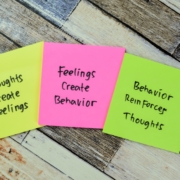
Have you ever noticed your mind telling you something that, deep down, you know isn’t quite true? Maybe one small mistake convinces you the whole day is ruined, or a single unanswered text leaves you certain a friend is upset with you. These mental shortcuts are known as cognitive distortions; in fact, these are often exactly what Cognitive Behavioral Therapy (CBT) is aiming to address.

Put simply, cognitive distortions are habitual, automatic thinking patterns that twist how we see ourselves, others, and the world. They feel completely believable in the moment, but they often drive anxiety and low mood. The good news is that once you learn to spot them, you can begin to challenge them and change them. Here are five of the most common ones.

Why Do Emotions Feel So Intense With ADHD?

When you think about ADHD, you may picture difficulty focusing, restlessness, or trouble staying organized. But another side of ADHD that doesn’t get nearly enough attention is how deeply and intensely emotions may hit.

If you or someone you love has ADHD, you may have noticed that emotions seem to hit harder, last longer, and feel more difficult to manage than expected. So, why is this sometimes the case with ADHD?

5 Reasons We’re More Anxious Today

Anxiety may feel ever-present in your life. And you’re not imagining things. Rates of anxiety have climbed in recent years. And while there’s no single cause, modern life has introduced a set of triggers that previous generations didn’t have. So, here are five reasons why so many of us are struggling (and how we can help!).

DBT Skills for Managing Relationship Conflict

Conflict in relationships is unavoidable. Whether it’s with a partner, family member, friend, or coworker, disagreements are part of being human.

When conflict arises, however, emotions often run high and override our ability to think clearly. You might fear rejection, worry about damaging the relationship, or feel overwhelmed by the intensity of the moment. Without effective skills, many people fall into old patterns, such as shutting down, lashing out, or people-pleasing to keep the peace. These responses might feel protective in the moment, but they rarely lead to resolution.

At the end of the day, what matters most is how you respond to conflict, and it’s possible to do so in an effective and constructive way. In fact, Dialectical Behavior Therapy (DBT) offers practical skills for navigating difficult conversations while protecting both your relationships and your self-respect. So, let’s take a closer look at some of these techniques.

ADHD and Time Blindness: Why Managing Time Feels Impossible

Ever lost track of time only to realize hours have vanished? Or do you consistently underestimate how long things take, no matter how hard you try?
If you have ADHD, this experience is fairly common, and it’s often referred to as time blindness.

How to Communicate with a Loved One with Dementia

Communicating with a loved one who has dementia can feel challenging, especially as the condition progresses. However, with patience and a few thoughtful adjustments, you can maintain meaningful connections.

Keep in mind that communication needs often depend on the stage of dementia, so it helps to adapt your approach over time. Below are some practical tips to make conversations easier.

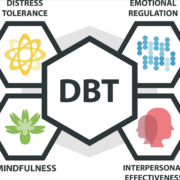
What is Dialectical Behavior Therapy (DBT)?

If you’ve been exploring therapy options, you may have come across Dialectical Behavior Therapy (DBT). Originally developed to treat borderline personality disorder, DBT has since become a widely used approach for managing intense emotions, improving relationships, and building healthier coping skills.