
Has Modern Technology Contributed to ADHD?
A new study has just come out that indicates that teenagers who use technological devices regularly like phones, and computers are more likely to develop ADHD.

A new study has just come out that indicates that teenagers who use technological devices regularly like phones, and computers are more likely to develop ADHD.

So you’ve been wronged. A friend casually dismissed a goal you set for yourself, or a colleague threw you under the bus, and you feel hurt and angry — maybe you even want payback. Sometimes those negative feelings dissipate over time, but other times they fester and become toxic obsessions.
You know that “letting go” is probably the healthiest move, but wanting revenge is often much more appealing.
But why?

Biofeedback is done to deal with anxiety, stress, ADHD, and a host of other issues. Biofeedback is an appealing option for a lot of people because it’s noninvasive, and it can be a substitute for medication.
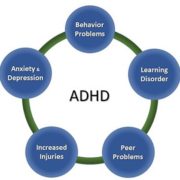
It is common for children with ADHD to have difficulties in managing their emotions and organizing themselves. For example, they tend to get into a trouble at school and elsewhere because of their inability to inhibit behavior or think through their actions before reacting.

What is Biofeedback? Biofeedback is a treatment that helps patients learn to control bodily processes such as muscle tension, blood pressure, or heart rate. It has been used to treat problems like high blood pressure, muscle tension and anxiety. The way a Biofeedback session works

It is important to start out by explaining that Dementia is an umbrella term to define loss of memory and other mental abilities that interfere with daily life caused by physical changes in the brain. So Alzheimer’s, and Parkinson’s for instance are both examples of possible causes of dementia.

The term “dialectical” means the use of acting through opposing forces. The primary dialectic within DBT is between the seemingly opposite strategies of acceptance and change.

Parents are facing a phenomenon they never experienced before; children having constant access to screens. Whether it is a computer screen or a phone screen or a television screen— most children from a young age have access to it.

Chronic Traumatic Encephalopathy (CTE) is a progressive degenerative disease of the brain found in people with a history of repeated brain trauma. The constant brain trauma triggers progressive degeneration of the brain tissue, including the build-up of an abnormal protein called tau. These changes in the brain can begin months, years, or even decades after the last brain trauma.
According to a new study published in the Journal of the American Medical Association, children who experience a severe head injury may struggle with secondary ADHD as they grow older. What is Secondary ADHD? Secondary ADHD relates to symptoms that fall out of the three core ADHD symptoms of hyperactivity, impulsivity and attention-deficit disorder. The following are Secondary symptoms of ADHD: