
Why Your Child’s ADHD Evaluation is Not One and Done

While ADHD is typically a chronic condition, it is by no means static. Symptoms will evolve as children grow and transition from one grade to the next. With a new classroom and another year of maturity under a child’s belt, the problems in the classroom experienced last year might not be the same as this year. In order to best tailor your child’s ADHD treatment, an important part of his or her diagnosis is to continue to reevaluate them each year.

Promising Medication Tested Successfully on Adults with ADHD

Psychologists may have a promising new ADHD medication option to prescribe: mazindol CR. Mazindol CR, also known as NLS-1, is a treatment produced by the Switzerland-based company, NLS Pharma. It would be a revolutionary addition to the ADHD medicine cabinet because unlike current options on the market, mazindol CR is a non-stimulant. Many patients

Fidget Spinners for Children with ADHD?

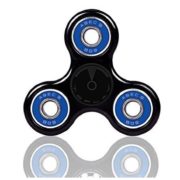
You probably have heard of the craze: fidget spinners! The spinning toys come in a variety of colors and cost only a few dollars. Despite causing nuisance to many adults and school teachers (they are even banned in some school districts!), some experts say these toys can benefit some children with ADHD. Children with ADHD can be fidgety, from tapping feet to bouncing on seat.

The ADHD Lifestyle Part II: Exercise

What if there was a way to treat ADHD without taking a trip to the pharmacy? Believe it or not, this idea is not too farfetched. Many doctors describe exercise as a natural “medication” that can treat ADHD symptoms effectively. While exercise will most likely not replace traditional treatment options, it can be used as a strong compliment. In fact, exercise often affects the same core component as the stimulants do: one’s executive functions. Memory, inhibition, attention, and prioritization are all examples of executive functions.

Does My Child Need Ritalin for ADHD?

Especially for young students with behavioral or academic problems, stimulant medications are thought of as a one-size-fits-all “easy fix.” A parent might be tempted to pursue this route out of legitimate concern for a child and the conception that a pill can be the miracle cure. But not so fast!
At Pathways, we recommend a comprehensive ADHD evaluation

The ADHD Lifestyle Part I: Diet

The brain is vital organ that, like the other organs in the body, depend on nutrients for healthy function and endurance. Those with ADHD are even more dependent on proper nutrients and sleep. Cognition, memory, and mood may all be affected by eating well. More importantly, unhealthy eating and poor sleep can exacerbate ADHD symptoms and make a profound difference in academic success.

Defining ADHD in Light of Brain Injuries

According to the most recent studies, experts define ADHD as a developmental disorder affecting proper use of executive functions. One can think of executive functions as the brain’s “command center,” controlling focus, organization, memory, action, and effort. In short, it is the self-management system of the brain that is tasked with operating unconscious decisions in daily life. As a developmental disorder

Parenting a Child With ADHD

A great (and immensely important!) starting point for a parent is understanding what ADHD is and what it means to you and your child. It is important to realize that the behavior of a child with ADHD is a result of a developmental disorder that affects executive functions. He or she cannot just “snap out of it”.

While professional help is very important, here are some good starting books to help you start your education about ADD/ADHD:

You Can Be Smart and Have ADHD

Many believe that an ADHD diagnosis is a reflection of one’s intelligence or potential to thrive academically. Dr. Thomas E Brown, a world leader in ADHD at Yale University, asserts that this is unequivocally not the case in Smart But Stuck. In fact, he notes that there are many adults and teens that have superior intelligence, especially in verbal IQ scores