
 5 Cognitive Distortions That Drive Anxiety and Depression
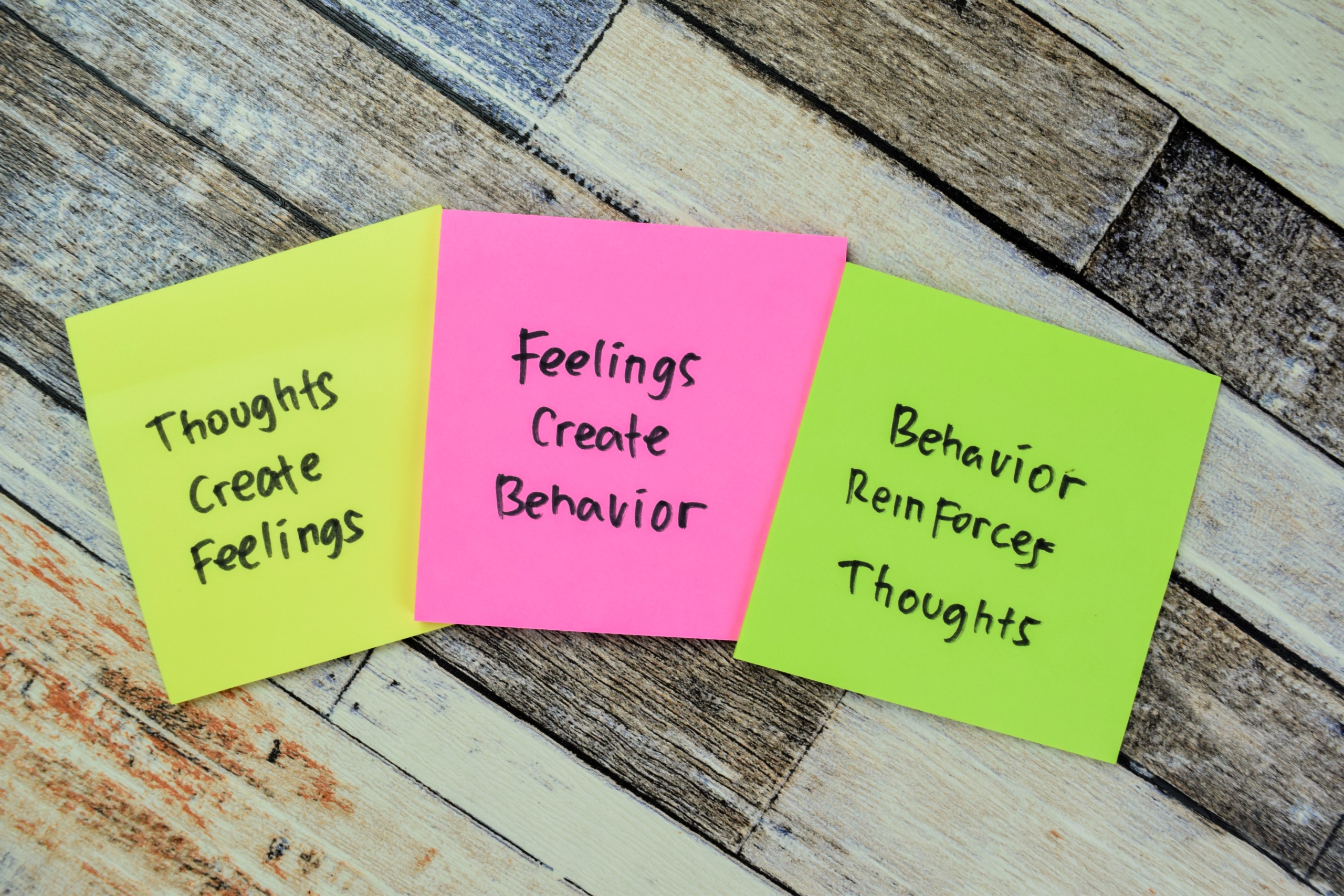
Have you ever noticed your mind telling you something that, deep down, you know isn’t quite true? Maybe one small mistake convinces you the whole day is ruined, or a single unanswered text leaves you certain a friend is upset with you. These mental shortcuts are known as cognitive distortions; in fact, these are often exactly what Cognitive Behavioral Therapy (CBT) is aiming to address.
Put simply, cognitive distortions are habitual, automatic thinking patterns that twist how we see ourselves, others, and the world. They feel completely believable in the moment, but they often drive anxiety and low mood. The good news is that once you learn to spot them, you can begin to challenge them and change them. Here are five of the most common ones.
1. All-or-Nothing Thinking
This is seeing things in black and white, with no middle ground. If something isn’t perfect, it feels like a total failure. One slip on a diet becomes “I’ve ruined everything,” leaving no room for the reality that lives somewhere in between.
2. Catastrophizing
With catastrophizing, the mind leaps straight to the worst possible outcome. A minor headache becomes a serious illness. A small work error becomes proof you’re about to be fired. In fact, catastrophizing is one of the biggest drivers of anxiety.
3. Mind Reading
This is assuming you know what others are thinking, usually that they’re judging you. You might decide a coworker thinks you’re incompetent or a friend finds you boring, all without any real evidence.
4. Overgeneralization
With overgeneralization, a single event becomes a never-ending pattern. One rejection turns into “I always get turned down,” and one bad day becomes “nothing ever goes right for me.” Words like “always” and “never” are common red flags that you might be overgeneralizing.
5. Should Statements
These are the rigid rules we set for ourselves: “I should be further along by now,” or “I shouldn’t feel this way.” While they may seem motivating, they tend to breed guilt, pressure, and frustration.
Surprisingly, these patterns are incredibly common and, more importantly, can change. CBT helps you recognize distorted thoughts and reframe them into something more balanced and realistic.
At Pathways Neuropsychology Associates, our therapists use evidence-based approaches like CBT to help you manage anxiety, stress, and depression. Contact us today to get started.